Working from home is often sold as the ideal setup. No commute, more flexibility, fewer interruptions. For many people, it really does start out that way. The mornings feel lighter. You gain time back. Life feels more manageable.
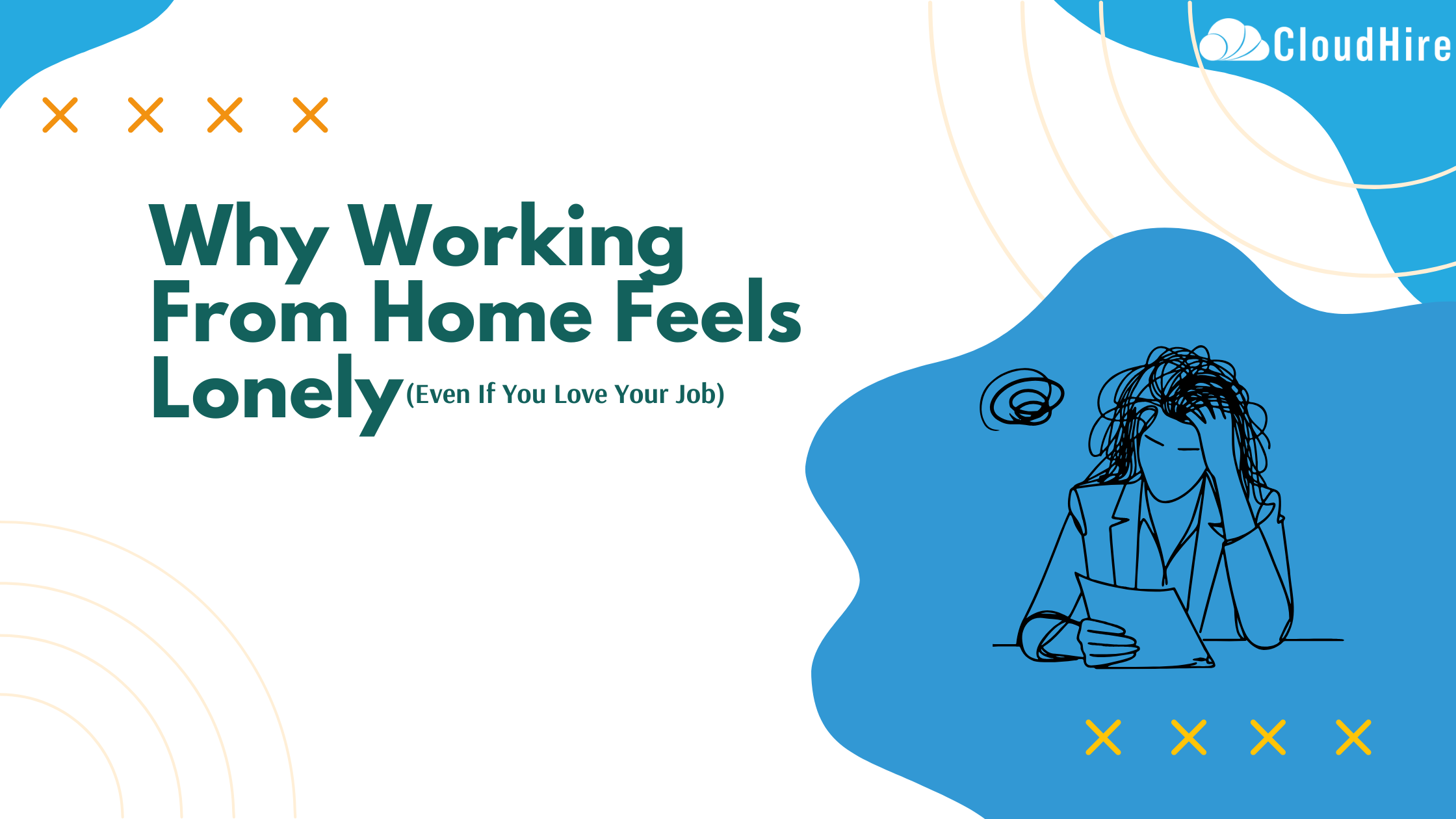
And yet, at some point, a strange feeling shows up. It is not dramatic or overwhelming. It is more like a quiet pause in the middle of the day when you realize you have not really spoken to anyone. You have been productive, but you feel oddly disconnected. That is when people begin searching for answers to something they did not expect. Why working from home feels lonely, even when everything seems fine on the surface.
This feeling is more common than people admit. It just does not get talked about enough.
What Actually Helps When Working From Home Feels Lonely
There is no single fix for loneliness while working from home. But small, intentional changes can make the experience feel more human again.
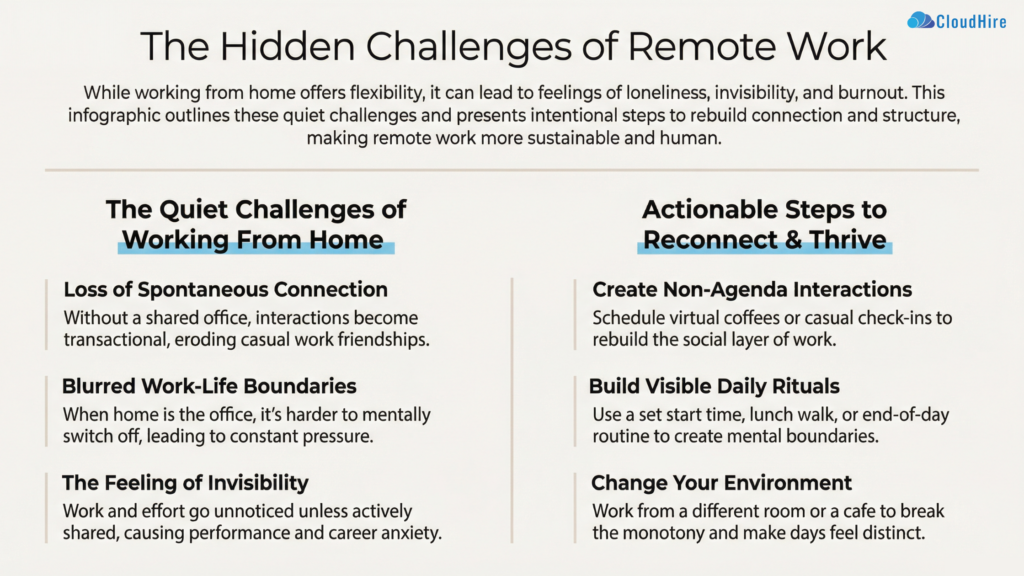
Create Moments of Connection That Are Not Task-Driven
Not every interaction needs an agenda. A short check-in call, a casual message, or a shared virtual coffee can slowly rebuild the social layer that offices once provided. It may feel awkward at first, but connection usually does. Even calling a close friend during the day can help break the silence and make things feel lighter.
Give Your Day Visible Structure
Simple rituals help separate time. Starting work at the same hour, stepping outside at lunch, or ending the day with a short walk can create mental boundaries. These signals help your brain understand when work starts and when it ends.
Make Your Work Visible Without Self-Promotion
Sharing progress updates, lessons learned, or small wins can reduce the feeling of being invisible. This is not about showing off. It is about letting your work exist outside your own screen.
Change Environments, Even Slightly
Working from the same spot every day can intensify isolation. A cafe, a library, or even a different room can break the sense of repetition and make days feel more distinct.
Acknowledge the Feeling Instead of Fighting It
Loneliness does not mean remote work is failing. It means something human is missing. Naming it, even privately, often reduces its power.
These steps do not eliminate loneliness completely, but they soften it. And often, that is enough to make remote work feel sustainable again.
The Quiet Disappearance of Work Friendships
In an office, friendships often form without any effort. You sit next to someone, you walk to meetings together, you share small frustrations and small wins. Those moments feel casual, but they create familiarity and comfort over time.
When you are working from home, those moments disappear. Conversations have a reason now. You message someone because you need something, not because you happen to run into them. Slack and video calls keep work moving, but they rarely create connection.
Many people working remotely notice that making friends while working remotely feels harder than expected. You may work with the same team for months and still feel like you barely know them. The social life that once came with work slowly fades, and before you realize it, you have no friends working from home who came from your job itself.
When Your Home Starts Feeling Like Work
One of the less obvious problems with working from home is how easily work spreads into everything else. Your home used to be the place where work ended. Now it is where work lives.
Without clear boundaries, many people struggle with work from home and no work-life balance. The laptop stays open longer. One more task turns into an extra hour. Even when you are done, your mind stays switched on.
Over time, this constant overlap can be draining. You might be physically at home, but mentally you are still working. That makes it harder to relax, harder to connect with others, and easier to feel isolated, even when you are not technically alone.
Doing the Work, But Feeling Invisible
A lot of remote workers quietly talk about feeling invisible. In an office, effort is noticed naturally. Someone sees you solving a problem or staying late to finish something important.
When you are working remotely, that visibility changes. Your work only exists when you share it. If you do not speak up, it can feel like nothing you do is seen. This is especially difficult for people who are not comfortable promoting themselves.
Remote workers feel invisible, not because they are doing less, but because the system does not show effort the same way. Over time, this can lead to performance anxiety and the fear of being overlooked, even when you are doing good work.
When Days Begin to Blur Together
Many people describe the same experience after months of working from home. Days start to feel the same. There is no commute to separate morning from evening, no change of space to mark time.
Without routine, it becomes harder to stay motivated. This is not a discipline problem. It is an environmental problem. Offices provided structure without us thinking about it. At home, that structure has to be created from scratch.
When days blend together, working from home, people often feel mentally tired without knowing why. The lack of structure can quietly affect focus, energy, and overall mood.
The Pressure to Be Always Online
Remote work is meant to offer flexibility, but many people feel pressure to be online all the time. Messages come in at any hour, and response time becomes a signal of commitment.
This creates stress. You hesitate to step away. You worry about missing something. Even breaks start to feel uncomfortable. The pressure to be online while working from home turns availability into a constant background concern.
Over time, this kind of stress adds to the feeling of isolation. You are connected digitally, but always slightly on edge.
Career Growth Without Proximity
Career growth working from home can feel uncertain, especially for those earlier in their careers. In offices, learning happened naturally. You overheard conversations, watched how decisions were made, and asked quick questions without scheduling a call.
Remotely, learning requires more effort and more confidence. Mentorship does not always happen organically. Many people worry that they are completing tasks well but missing the bigger picture.
This can lead to a quiet fear of career stagnation, even when performance is strong.
The Guilt Nobody Talks About
One of the hardest parts of remote work isolation is the guilt that comes with it. Working from home is often seen as a privilege. Because of that, many people feel guilty admitting they are unhappy.
Working from home but unhappy feels like something you are not supposed to say out loud. So people stay silent. They assume the problem is personal rather than structural.
That silence makes the loneliness heavier.
What Loneliness Quietly Pushes People Toward (And What Actually Helps)
When working from home feels lonely, people often reach for quick relief. More caffeine, stress eating, smoking, endless scrolling. It dulls the feeling but rarely helps. Healthier outlets work better. Movement, sports, swimming, football, cricket, pickleball, running, or simple walks.
“And sometimes, connection isn’t the answer. Spending time with yourself, learning, reflecting, and growing can be just as grounding.” – Author
You Are Not Broken, This Is Human
If you have been feeling this way quietly, wondering why something that looks so ideal feels harder than expected, you are not alone.
Working from home changes how we connect, not how much we care.
And learning how to rebuild those connections is part of learning how to work this way well.
Frequently Asked Questions:
Why does remote work feel so lonely even when I love my job?
Screens replace real faces; watercooler chats vanish. 27% of fully remote workers report daily loneliness vs. 16% onsite. Your brain craves human sparks that Zoom can’t deliver. Great work doesn’t fill the social void.
Why is loneliness worse for some remote workers?
Gen Z (79% lonely) and older adults (2x more isolated) suffer most. No casual hellos, shared lunches, or vibe checks leave you guessing if you’re “part of the team.” Autonomy trades connection for quiet doubt.
What are quick fixes for remote work loneliness?
- Virtual coffee roulette: Random 15-minute 1:1 video chats weekly.
- Non-work Slack channels: Pets, recipes, wins humanize the team.
- Acknowledge the feeling instead of fighting it
These build bonds without forcing “fun.”
How do managers fight team loneliness remotely?
- Weekly “rose, thorn, bud” Slack shares.
- Pair new hires with buddies.
- Celebrate personal wins (birthdays, runs) publicly.
Leaders model vulnerability; connection follows.
When is remote loneliness a sign to quit?
If you’ve tried small changes and the feeling still shows up week after week, it may be a sign of deeper burnout. For some people, isolation outweighs flexibility. Choosing a healthier work environment is not a failure. Your mental health isn’t negotiable.